
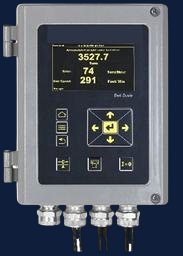
Industrial weighing
In-motion weighing controller
- Our scope
- Hardware, firmware and software
- Outcome
- Field-deployed in weighbridges and in-line checkweighers, with event-wise readout in the cloud.
Engineering service
Microcontroller boards, sensor interfaces, power circuitry and communication modules — designed for real-world conditions in Indian agriculture and industry.
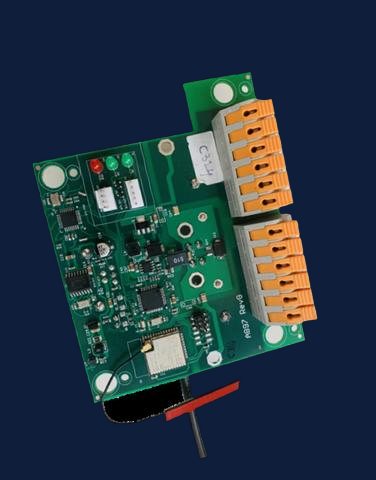
Scope
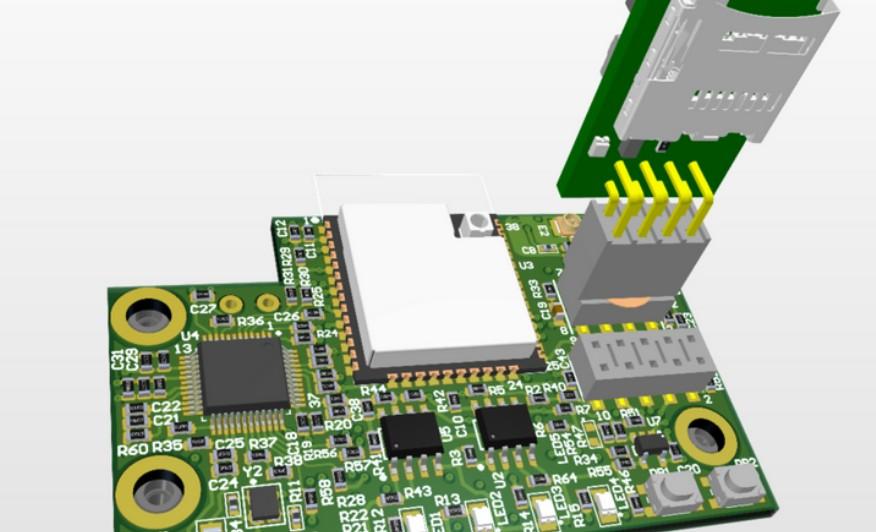
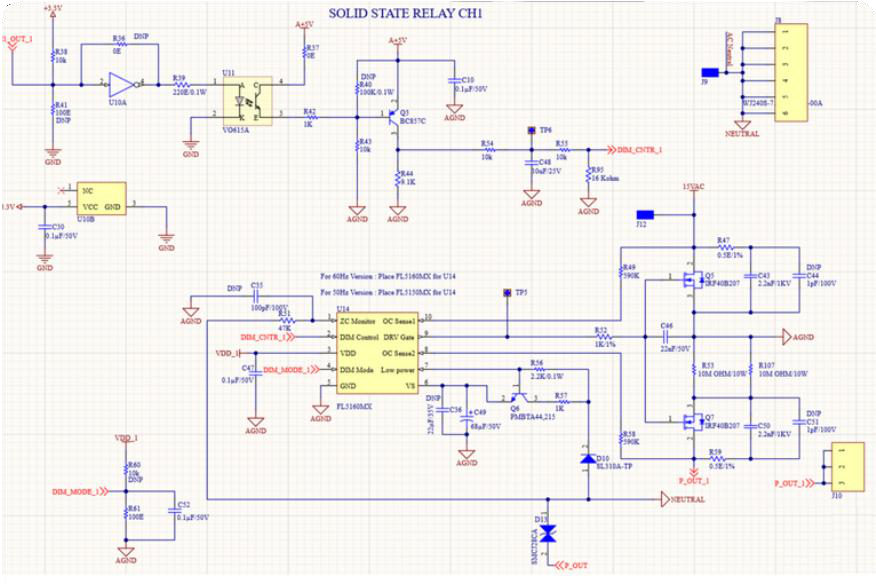
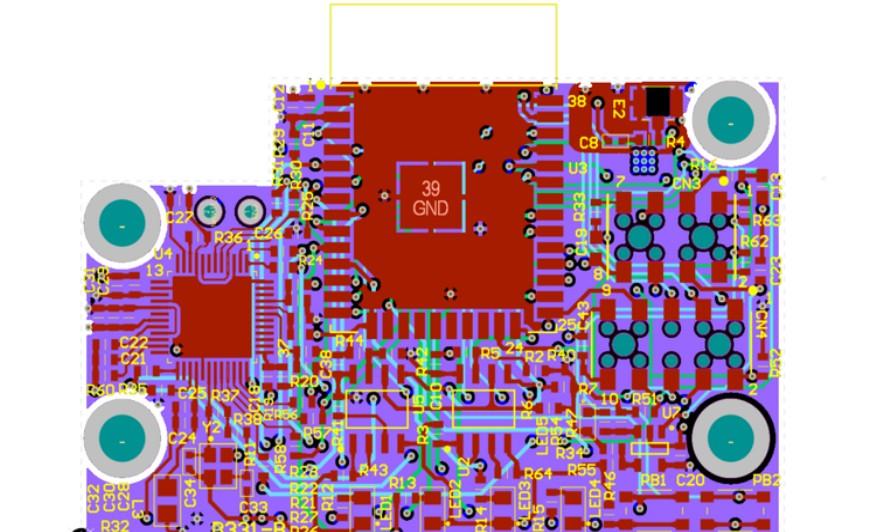
Altium Designer is used for schematic capture, multilayer PCB layout and manufacturing outputs.
The exact list, file formats and ownership are confirmed in your project proposal.
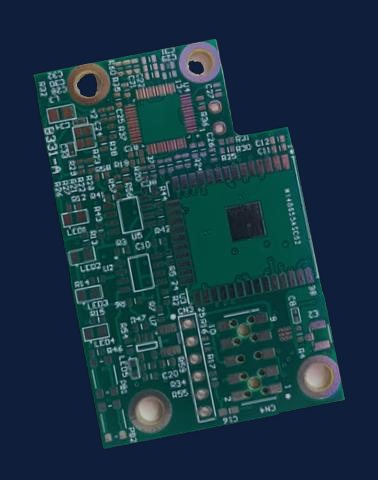
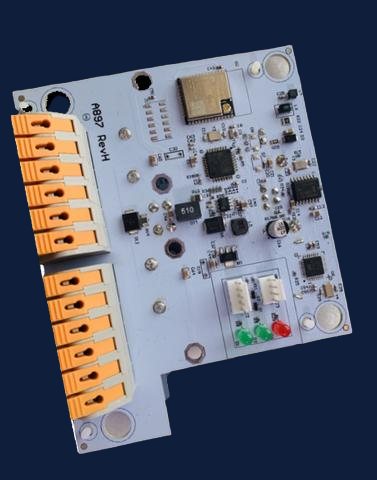
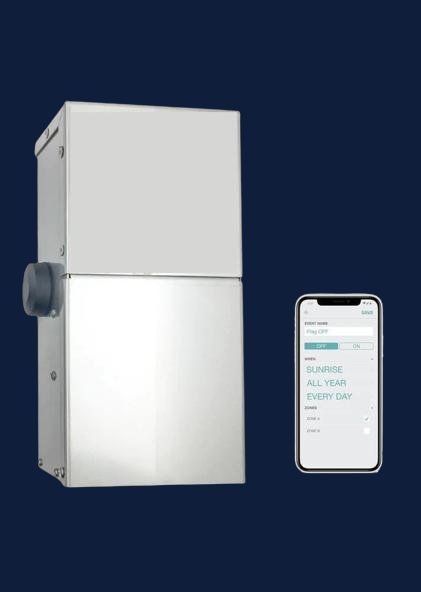
Images from our team’s embedded design projects: product photos and software screens. They show the kind of work this service covers, not Driptel or Gardentel.
At a glance
From the interface design capability in our Company Profile, with the projects where our team has used each interface.
| Interface | What the design covers | Where our team has used it |
|---|---|---|
| CAN and CAN-FD | Bus topology, transceiver selection and firmware framing | Automotive lighting electronics (CAN and LIN) |
| Ethernet | MAC/PHY integration, magnetics and TCP/IP stack bring-up | In-motion weighing controller (Modbus TCP) |
| RS485, RS232, Modbus RTU and TCP | Isolated interfaces with protection and clean signalling | In-motion weighing controller; Driptel (RS485 with Modbus, as an option) |
| USB, Wi-Fi, Bluetooth LE, MQTT and HTTP | Wireless module selection with the certification route in mind | Scales indicator and medical cart (Wi-Fi and Bluetooth); home automation unit |
| 433 MHz RF and load switching | Long-range RF on a coin-cell board; 24 V, 10 A load path with reverse-connection and overload protection | Wireless automation hardware |
Process
Scope, interfaces and success criteria agreed in writing before design starts.
CheckpointRequirement sign-off
Microcontroller, interfaces and power topology, with the BOM strategy.
CheckpointArchitecture review
Schematics, multilayer routing, stack-up, impedance control and DFM output.
CheckpointDesign review and release for fabrication
Fabrication release, assembly coordination, then power-up, debug and interface checks.
CheckpointValidation report
Reviewed output package and design files, with support for the first manufacturing feedback.
CheckpointProduction release
Evidence
Driptel’s hardware — including its phase-failure, voltage and dry-run protection circuits — was engineered by Sai Agro Tel, as was the Gardentel controller hardware.
Industrial weighing
Wireless automation
How Driptel’s hardware treats an unstable supply: phase-failure, voltage and dry-run protection on a GSM pump and valve controller.
Four boards, a six-layer LPC1788 controller, RTOS firmware and cloud readout for weighbridges and in-line checkweighers.
FAQs
Can’t find your answer? Ask the team directly.
Both. Our hardware designs are based on microcontrollers and FPGAs (programmable logic), chosen to match the product’s performance and cost targets.
Yes. Firmware and embedded software, and mechanical and enclosure design, are both part of our services, so the board can be developed together with them.
Once interfaces, power source, sensor requirements, connectivity, target cost and expected production volume are reasonably clear. If they are not, we start by working through them with you.
Altium Designer for schematic capture, multilayer PCB layout and manufacturing outputs, with stack-up planning and controlled-impedance routing.
Yes — BOM design, cost optimisation and support for volume production. See testing and production support.
Start a conversation
Share what you are building. The more context you give, the more useful our first reply can be.